What Can I Expect at My First Mammogram Screening Near Bastrop?
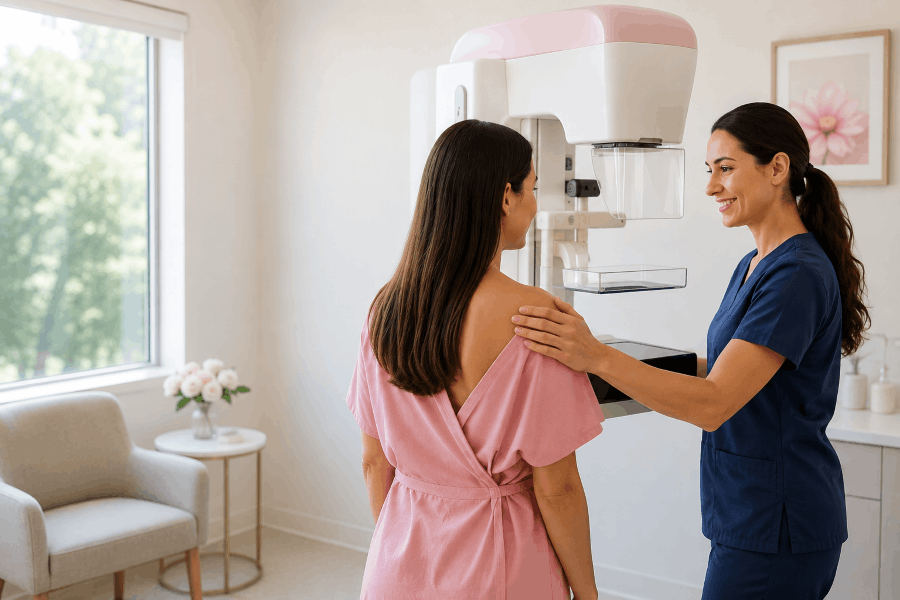
If you are preparing for your first mammogram screening near Bastrop, knowing what to expect can help you feel more comfortable and prepared. A screening mammogram is a routine breast imaging exam that uses low-dose X-rays to look for changes in breast tissue, including changes that may be too small to see or feel. The appointment itself is generally straightforward, and the breast is compressed for only a few seconds while each image is taken.
For women searching for Bastrop mammogram screening options, Victory Medical provides convenient access to mammography services near Bastrop. Understanding how the screening works, how to prepare, and what happens afterward can help you feel more informed before your first appointment.
What Happens During a Mammogram Screening Near Bastrop?
During your mammogram screening, a trained technologist will guide you through each step of the imaging process. You will need to undress from the waist up, and your breast will be carefully positioned on the mammography machine.
A clear plastic plate will then gently but firmly compress the breast while images are taken. Compression helps spread the breast tissue so clear, detailed images can be captured.
During your screening, you can generally expect:
• Each breast to be positioned individually
• Brief compression while images are taken
• Multiple images taken from different angles
• The technologist to reposition you as needed to capture clear images
• The images to be reviewed by a qualified medical professional
The pressure may feel uncomfortable for some patients, but each period of compression typically lasts only a few seconds.
How Should I Prepare for My First Mammogram Near Bastrop?
Preparing for a mammogram is relatively simple, but there are a few things you can do to help your appointment go smoothly.
On the day of your mammogram, avoid wearing deodorant, perfume, lotion, or powder on your breasts or under your arms. Particles from these products can sometimes appear on mammogram images.
It can also help to:
• Wear a two-piece outfit so you only need to remove clothing from the waist up
• Let the staff know if you have breast implants
• Tell the technologist if you are pregnant or think you may be pregnant
• Discuss any breast changes or concerns you have noticed
• Bring information about previous breast imaging if applicable
Because this is your first mammogram, you will not have previous mammogram images for comparison. At future screenings, those earlier images can be helpful for identifying changes in your breast tissue over time.
Does a Mammogram Hurt?
One of the most common concerns before a first mammogram is whether the screening will hurt.
Most patients can expect to feel pressure as the breast is compressed between the plates of the mammography machine. Some people find this uncomfortable, while others experience very little discomfort. The compression itself only lasts a few seconds for each image.
If you are uncomfortable at any point, let your technologist know. Communication can make the process easier, especially when you are having your first screening.
Screening Mammogram vs. Diagnostic Mammogram: What’s the Difference?
Although both exams use mammography to create images of breast tissue, a screening mammogram and diagnostic mammogram serve different purposes.

If you have noticed a new lump, nipple discharge, skin changes, or another breast concern, tell your healthcare provider rather than simply scheduling a routine screening. Your provider can determine which type of imaging is appropriate.
When Should I Start Getting Mammograms?
For women at average risk of breast cancer, the U.S. Preventive Services Task Force recommends screening mammography every two years from ages 40 through 74.
However, breast cancer risk is not the same for everyone. Your personal and family medical history can affect when and how often your healthcare provider recommends breast cancer screening.
You may need an individualized screening plan if you have certain risk factors or a history that places you at higher risk. Talking with your healthcare provider can help you determine an appropriate screening schedule for your needs.
Why Is Regular Mammogram Screening Important?
Mammograms can detect breast cancer before a lump or other symptom can be felt. Finding breast cancer earlier can provide an opportunity for earlier evaluation and treatment.
That is why mammograms remain an important part of preventive healthcare for many women.
Keeping up with recommended screenings can:
• Help detect breast changes that may not be noticeable during a self-exam
• Establish previous images that can be compared with future mammograms
• Identify potential breast cancer at an earlier stage
• Give you and your healthcare provider valuable information about your breast health
Even if you feel healthy and have not noticed any changes, routine screening may still be recommended based on your age and individual risk factors.
What Happens After My Mammogram Screening Near Bastrop?
Once your images have been taken, they will be reviewed for signs of abnormalities or changes in the breast tissue. You will then receive your mammogram results and information about any recommended next steps.
Your mammogram report will also include information about your breast density. Dense breast tissue is common, but it can make abnormalities more difficult to see on a mammogram and is also associated with an increased risk of breast cancer. Your healthcare provider can help you understand what your breast density means for you and whether any additional steps should be considered.
Being called back for additional imaging does not automatically mean that breast cancer has been found. Additional images may simply be needed to get a clearer look at a particular area.
Frequently Asked Questions About Mammogram Screening Near Bastrop
How long does a mammogram take?
The amount of time can vary by appointment, but the actual breast compression required for each image lasts only a few seconds.
Can I wear deodorant to my mammogram?
It is best not to wear deodorant, antiperspirant, lotion, perfume, or powder on your breasts or underarms on the day of your mammogram because particles from these products can interfere with the images.
What should I wear to my first mammogram?
Consider wearing a two-piece outfit. Because you will need to undress from the waist up, separates can make changing for the exam more convenient.
What if I have breast implants?
Tell the mammography staff when scheduling and remind your technologist at your appointment. Additional images may be necessary for patients with breast implants.
Do I still need a mammogram if I don’t have any symptoms?
For many women, yes. Screening mammograms are specifically intended to look for potential signs of breast cancer before symptoms develop. Your healthcare provider can help determine the appropriate screening schedule based on your age and risk factors.
What if I notice a lump or change in my breast?
Do not wait for your next routine screening. Contact your healthcare provider if you notice a lump, nipple discharge, thickening, or changes in the appearance of your breast, nipple, or skin. You may need a diagnostic evaluation rather than a routine screening mammogram.
Where can I get a mammogram screening near Bastrop?
If you are looking for Bastrop mammogram screening options, Victory Medical provides mammography services nearby for patients from Bastrop and surrounding communities. Contact Victory Medical to learn more about availability, scheduling, and what to expect at your appointment.
Schedule Your Mammogram Screening Near Bastrop
Your first mammogram does not have to feel intimidating. Knowing what will happen during the appointment and why regular breast cancer screening matters can help you take a more informed approach to your health.
If you are searching for a mammogram screening near Bastrop, Victory Medical is here to help. We provide convenient access to mammography services for patients from Bastrop and surrounding communities. Contact us today to schedule your mammogram screening and take an important step toward staying proactive about your breast health.